Breastfeeding, maternity & motherhood photography
One of the oldest subjects in art: a mother holding her child.
For thousands of years, artists have returned to the same quiet scene: a mother, a chair, a window, a baby asleep in her arms. This is a tribute to expecting and breastfeeding mothers and to the people who photograph them, with what history, tradition and good light can teach, and the gentle ways AI can now help you keep those months.
For every mother awake at three in the morning, and for everyone who has ever held the camera for her.
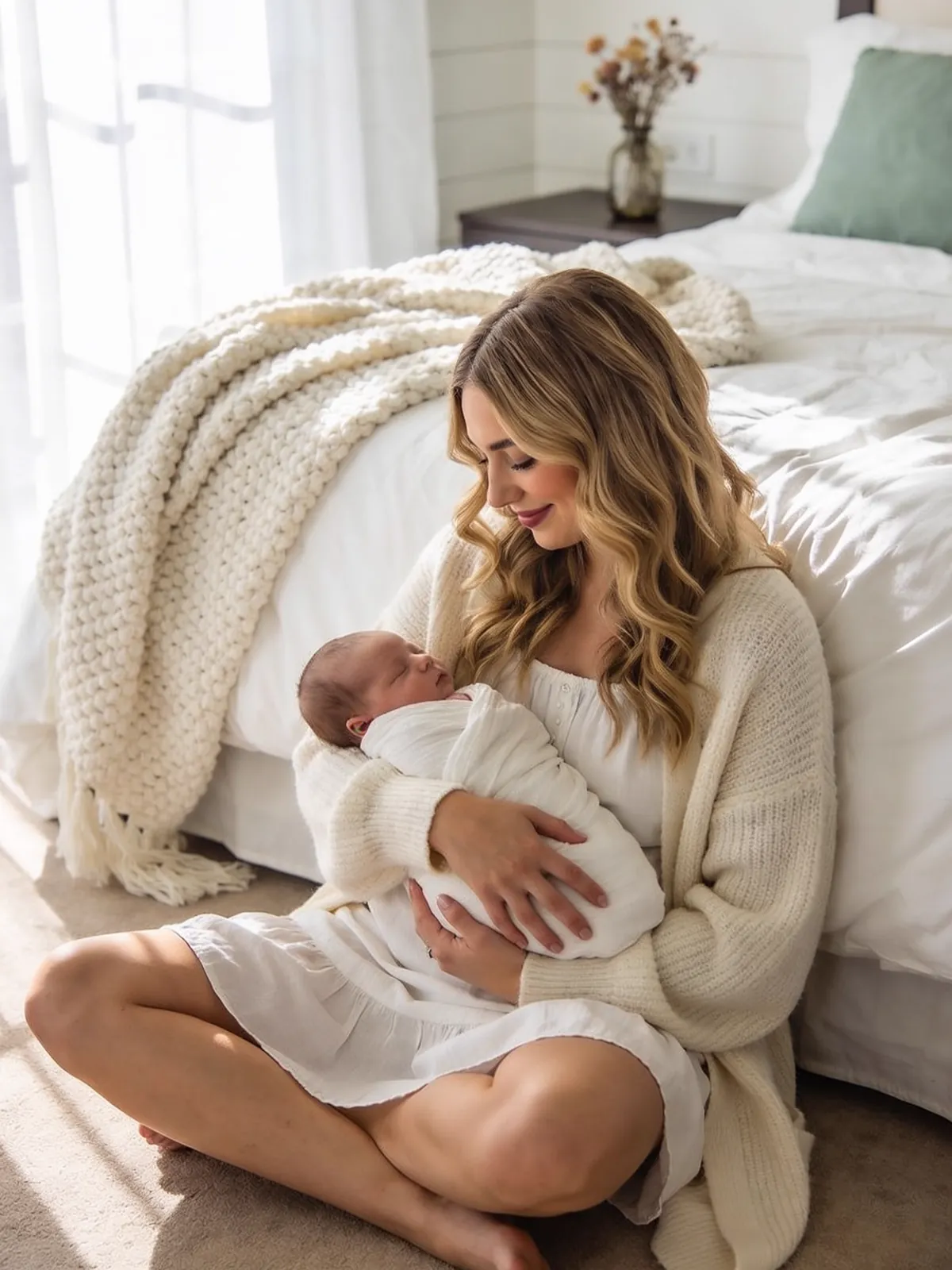
An old devotion: breastfeeding in art and tradition
Long before photography, the nursing mother was one of the most cherished images people made. In ancient Egypt, small bronze and faience figures of the goddess Isis nursing her son Horus were made in great numbers; New York's Metropolitan Museum of Art describes it as her most beloved pose, a picture of the life-giver and protector.
In medieval and Renaissance Europe, painters returned to the same scene as the Madonna Lactans, the Virgin nursing her child. Scholars have long noted its resemblance to the Isis figures. It became especially popular in thirteenth and fourteenth century Tuscany, and it gave us some of the most tender paintings in Western art.
Among them is the Madonna Litta of around 1490, attributed to Leonardo da Vinci and his workshop and now in the State Hermitage Museum, and Jean Fouquet's striking Melun Diptych panel in Antwerp. When cameras arrived, mothers sat for them too: daguerreotypes and tintypes of nursing mothers survive from the 1840s and 1850s.
Today's breastfeeding photography continues that line. Whether it is a documentary session, a phone picture taken by a partner or the "tree of life" portraits shared under #normalizebreastfeeding, the impulse is the same one the old artists had: to say that this ordinary, daily work of love is worth looking at.
- 664–30 BCELate Period and Ptolemaic Egypt: figures of Isis nursing Horus fill homes and temples.
- 1200s–1300sThe Madonna Lactans flourishes in Tuscan painting.
- c. 1452–1490Fouquet's Melun Diptych; the Madonna Litta.
- 1840s–1850sThe first photographs of nursing mothers: daguerreotypes and tintypes.
- 1992The first World Breastfeeding Week. Today, phones put the camera in every home.
The forty days
Across the world, families have long surrounded a new mother with rest, warmth, good food and help. These are customs and traditions of care, each with its own regional variations.
About forty days of rest after birth, with special foods and the women of the family close by.
"Sitting the month": a month of rest indoors, with warming soups and dishes prepared for the mother.
Traditional postpartum care, classically for twenty-one days, centered on warmth, rest and nourishing seaweed soup.
The mother returns to her parents' home to give birth and recover, cared for by her own family.
A forty-day rest, often with a dedicated caregiver who cooks, bathes the baby and gives oil massages.
The new mother's own mother moves in for weeks to care for mother and baby.
Waiting, and then holding
Nine months of waiting, then the long, sleepy months of feeding and holding. The maternity photoshoot and the newborn weeks are two halves of the same story, and both deserve to be photographed beautifully.

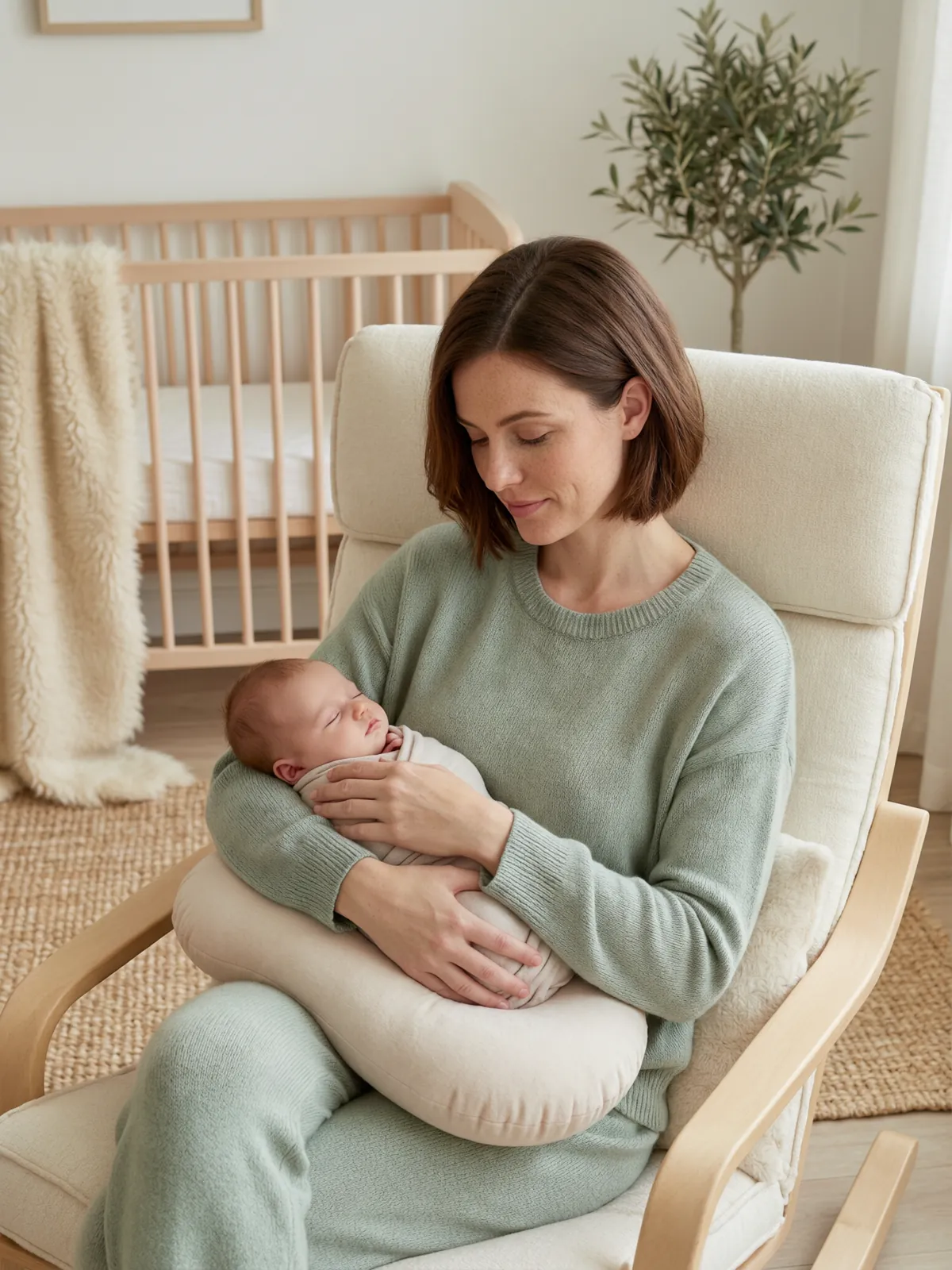
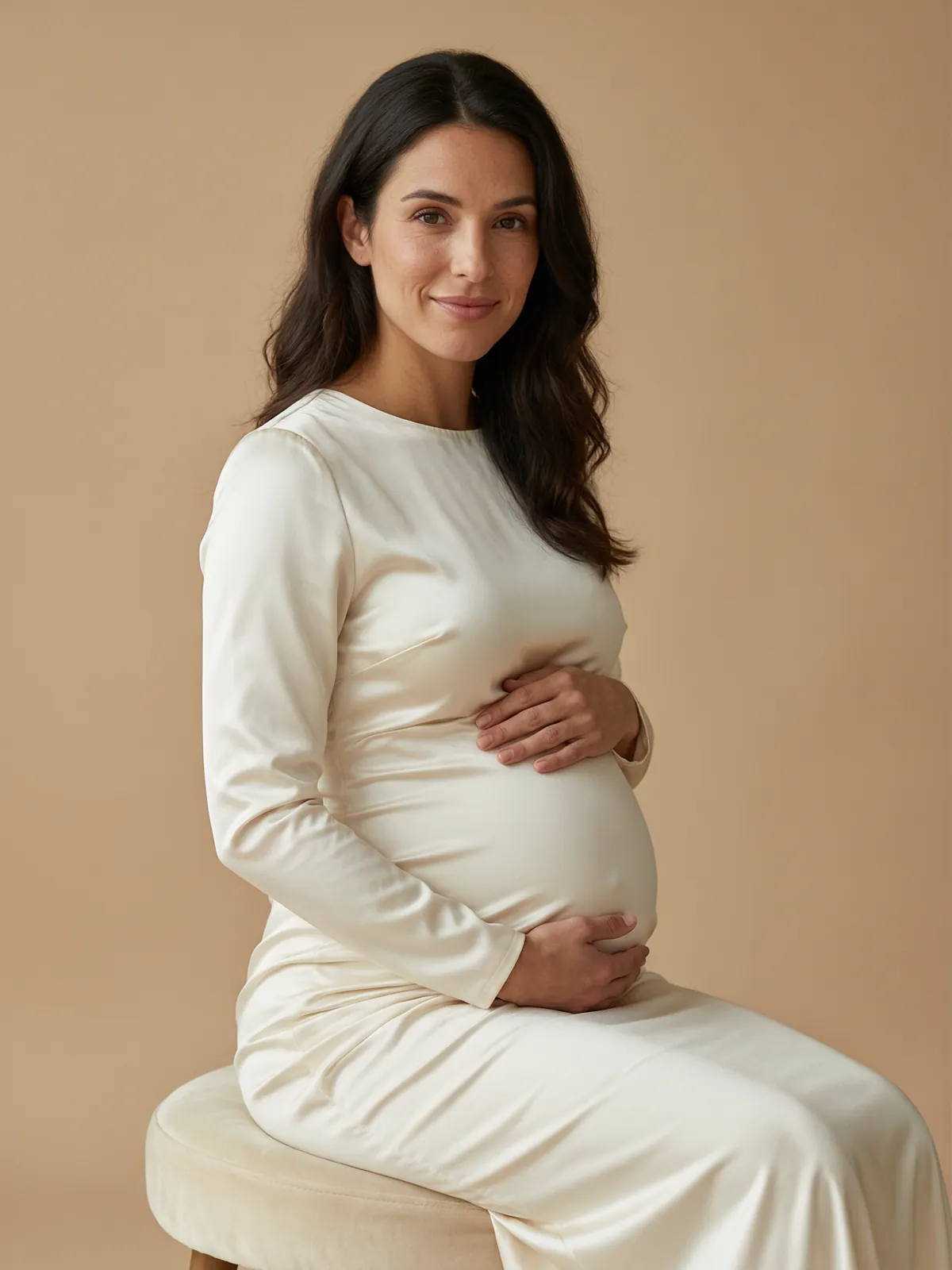
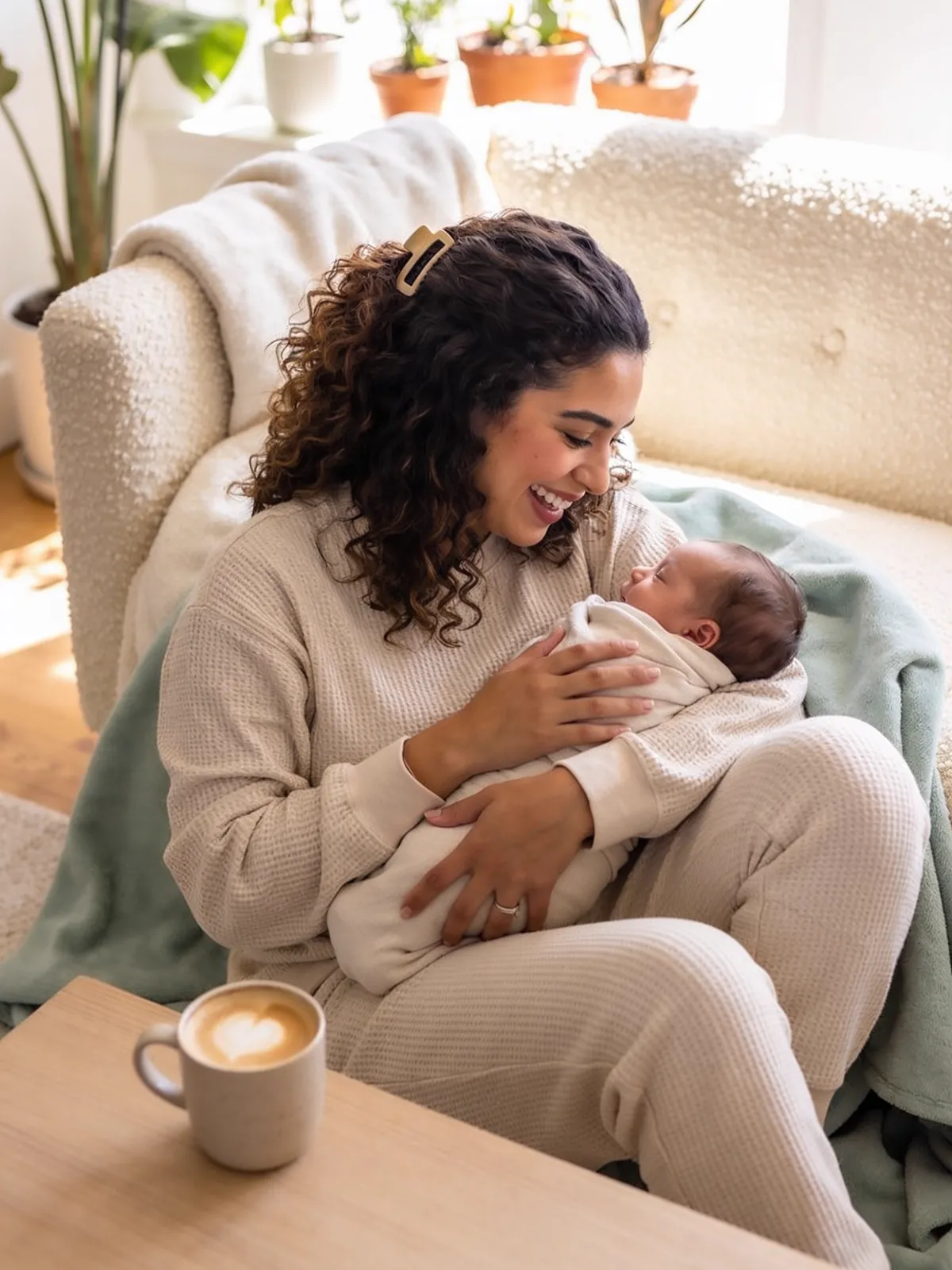
Every picture on this page is original AI artwork made for this page from written descriptions. None of them shows a real family.
What every mother deserves to know
The World Health Organization recommends breastfeeding within the first hour after birth, exclusively for the first six months, then alongside other foods to two years and beyond.
Source: WHO, infant and young child feedingNearly half of babies under six months worldwide are exclusively breastfed, 8 percentage points more than in 2020. The global goal is at least 60% by 2030.
Source: Global Breastfeeding Scorecard 2025World Breastfeeding Week is held every year, coordinated by the World Alliance for Breastfeeding Action. The 2026 theme: a sustainable start in life.
Source: World Breastfeeding WeekA calendar for celebrating mothers
For photographers, community groups and brands, these dates are natural moments for appreciation posts, community sessions and campaigns.
- 1–7 August
- World Breastfeeding Week, worldwide
- August
- National Breastfeeding Month, United States
- 8–14 August
- Indigenous Milk Medicine Week, United States
- 15–21 August
- Asian American, Native Hawaiian and Pacific Islander Breastfeeding Week
- 25–31 August
- Black Breastfeeding Week, founded in 2013
- May
- Mother's Day in many countries; dates vary by country
However your story goes
Every feeding journey is different, and every mother deserves support and kindness. This page shares history and photography, not medical advice. For help with feeding, talk to your doctor, midwife or a lactation consultant.
- Find a lactation consultant (IBCLC)
- La Leche League International: free, volunteer-led mother-to-mother groups
- World Health Organization: breastfeeding
Photographing the nursing years, with the phone in your pocket
Mothers are rarely in their own photographs. These notes are for the partner, grandmother or friend holding the phone, and for any mother who wants to set up a picture of her own.
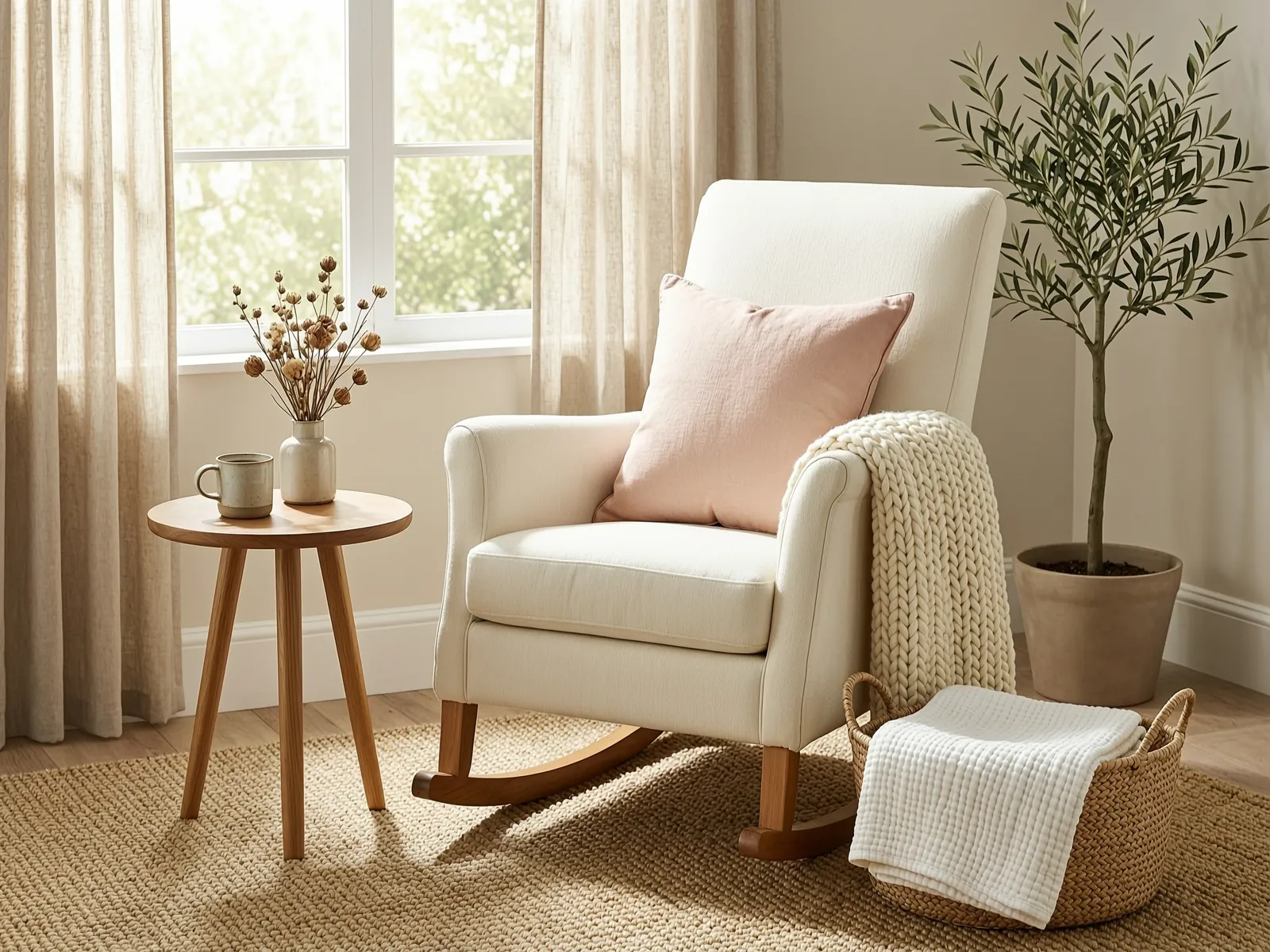
Find the window
Sit beside a window with soft daylight falling across you from the side, not from behind. Sheer curtains soften harsh sun. Turn the flash off.
Step back for the room
Include the chair, the shawl, the lamp, the cup of tea. Those details carry the memory of the season as much as faces do.
Come down to her eye level
Shoot from the mother's eye level or just above, at a slight angle. Looking down from standing height flattens the moment.
Wait for the quiet after
Some of the loveliest frames come just after a feed: the drowsy baby, the relaxed shoulders, the long look. Keep the phone ready and stay still.
Collect the small things
Hands around a tiny back, a muslin cloth over the shoulder, little feet, the nursing pillow. Take a few close details at every session.
Ask first, and follow her lead
Ask the mother how covered she would like to be, and whether a picture is welcome right now. She decides what is kept and what is shared.
Keep the originals
Back up the untouched files before you edit anything. Print a few each year: prints outlast phones.
You will not remember the exhaustion as clearly as you think. You will remember the light on the wall.
Maternity and nursing sessions, for photographers and editors
A breastfeeding photoshoot, sometimes called a nursing mother session, works best when it feels like a visit, not a production. These are widely shared habits of photographers who specialize in the nursing years.
Book maternity in the third trimester
Many photographers suggest around 30 to 36 weeks, when the bump is round but she is still comfortable; earlier for twins. Offer a second session for the newborn months.
Plan around feeds, not the clock
Book a generous window, build in breaks and water, and let the baby set the pace. Mothers relax when nobody is waiting on them.
Keep the room small and warm
Few people, little gear, a warm room and soft daylight. A chair with arms and a pillow under the elbow lets her hold a pose comfortably.
Guide the wardrobe
Suggest button-front dresses, loose tops and wraps in earthy neutrals, plus a shawl or muslin she can use to choose how covered she feels.
Pose with dignity
Turn her body about 45 degrees to the light, ground her feet, and let her chin drop toward the baby. Shoot slightly above eye level and include the partner for a few frames.
Offer the fresh 48
A documentary session in the first hours or days after birth, at the hospital, birth center or home: unposed, quiet and real.
Edit softly, deliver lastingly
Protect natural skin tones and texture, keep a warm and gentle palette, and deliver an heirloom album or prints alongside the digital gallery.
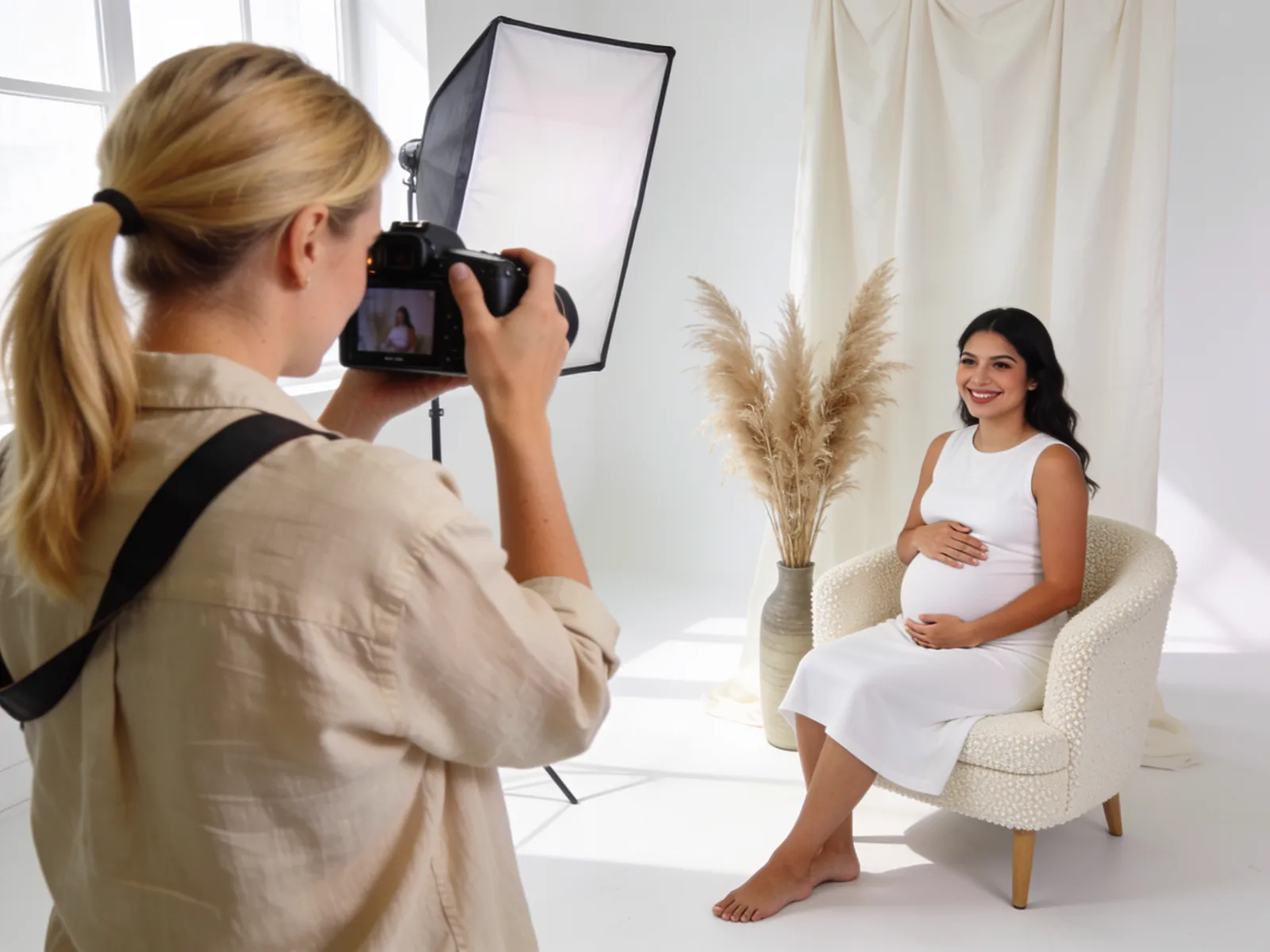
How AI can help mothers, one photograph at a time
The months with a new baby leave thousands of photos on a phone, most of them taken in dim light at odd hours. Used gently, AI tools can help you rescue, reimagine and share those memories. In Wurt, Picwurt makes and edits pictures and Vidwurt turns a picture into a short video.
Brighten the 3 a.m. portrait
Upload a portrait of yourself and ask for warmer light, less grain and a calmer background. Compare it with the original before you keep it.
Turn a portrait into a painting
Ask for an oil portrait with soft Renaissance light, a loose watercolor or a pencil sketch, and you have something to frame for the nursery wall.
Your pregnancy, reimagined
Turn a bump photo of yourself into a fine-art maternity portrait: a linen gown, a cane chair, golden window light.
Picture the nursery first
Describe a nursing corner, a rocking chair or a keepsake still life and see it before you buy or set anything up.
Announcements and thank-yous
Design birth announcements, milestone cards and thank-you notes for the midwife, the doula or the grandmother who came to stay.
A still that breathes
With Vidwurt, a maternity portrait of yourself can become a few seconds of moving light: curtains stirring, a slow smile.
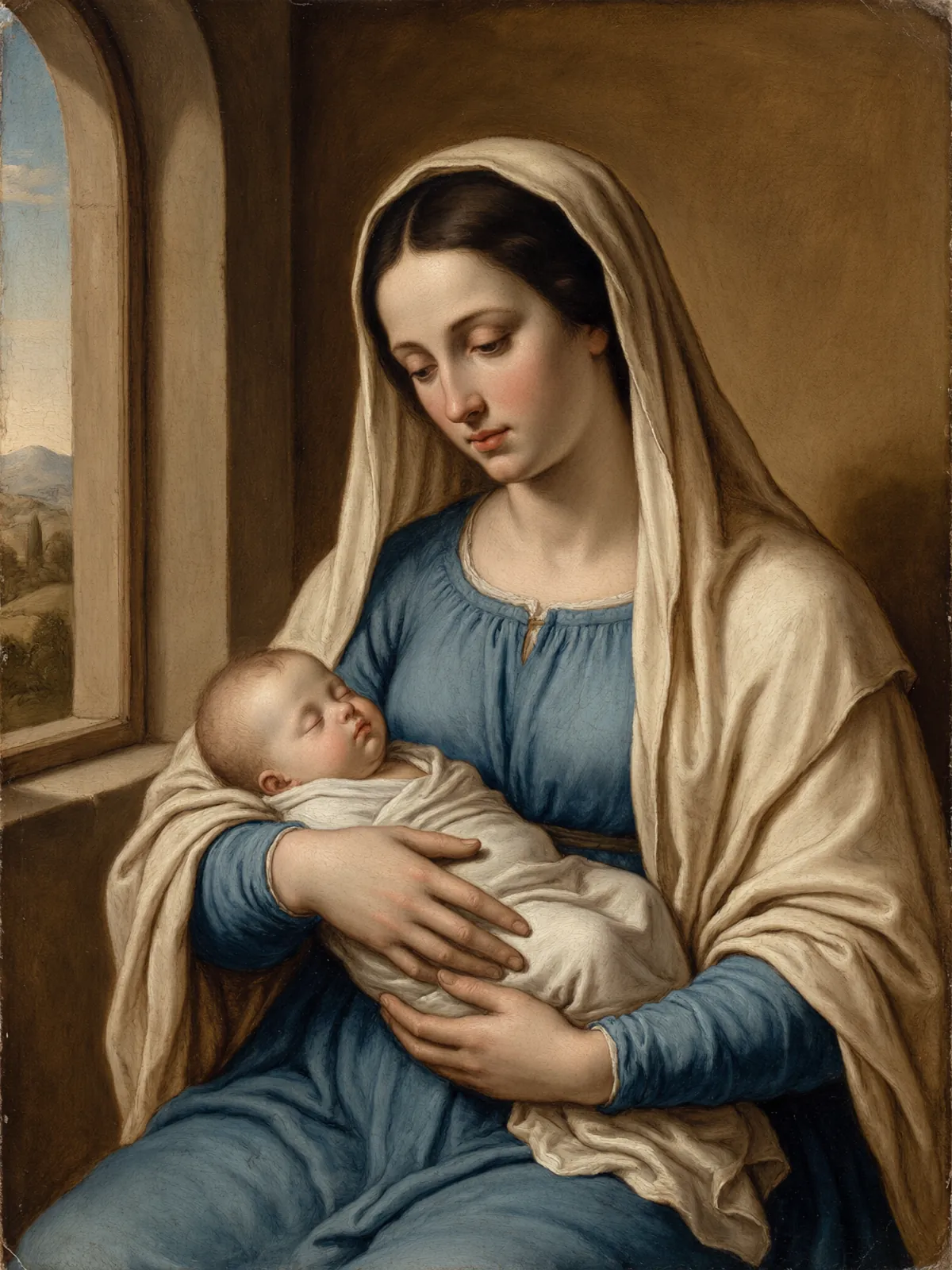
From the phone to the gallery wall
The old masters painted mothers because they believed the scene was sacred. With AI, any mother can have a painting in that tradition: of a scene she describes, or of a portrait of herself, in oil, watercolor or charcoal.
Beyond pictures, AI chat tools can help with the quiet admin of the newborn months: turning notes from the night feeds into a birth story, drafting thank-you messages, or planning a photo session with your photographer.
A gentle caution: AI is a creative tool, not a health professional. It also changes pixels, so look closely at faces, hands and small details before you print or share anything.
For studios, editors and women-led brands
Motherhood is a large and loyal audience, and it is often served with tired stock imagery. AI artwork lets small teams make warm, specific pictures for it.
Plan and pitch
- Mood boards for each client: wardrobe, chair, palette and light
- Set and backdrop concepts before you buy props
- Seasonal posts for World Breastfeeding Week and Mother's Day
- Painterly keepsake concepts to show clients before a session
Look and layout
- Reference looks for color grading a gentle, warm palette
- Album covers, title pages and print-ready card designs
- Editorial illustrations for parenting articles and newsletters
- Short motion loops from stills for social posts
Campaign imagery
- Campaign concepts for nursing-wear, maternity and baby-care brands
- Website imagery for doulas, midwives and lactation practices
- Diverse, specific mothers and settings rather than one stock look
- Label AI artwork as AI artwork; it builds trust
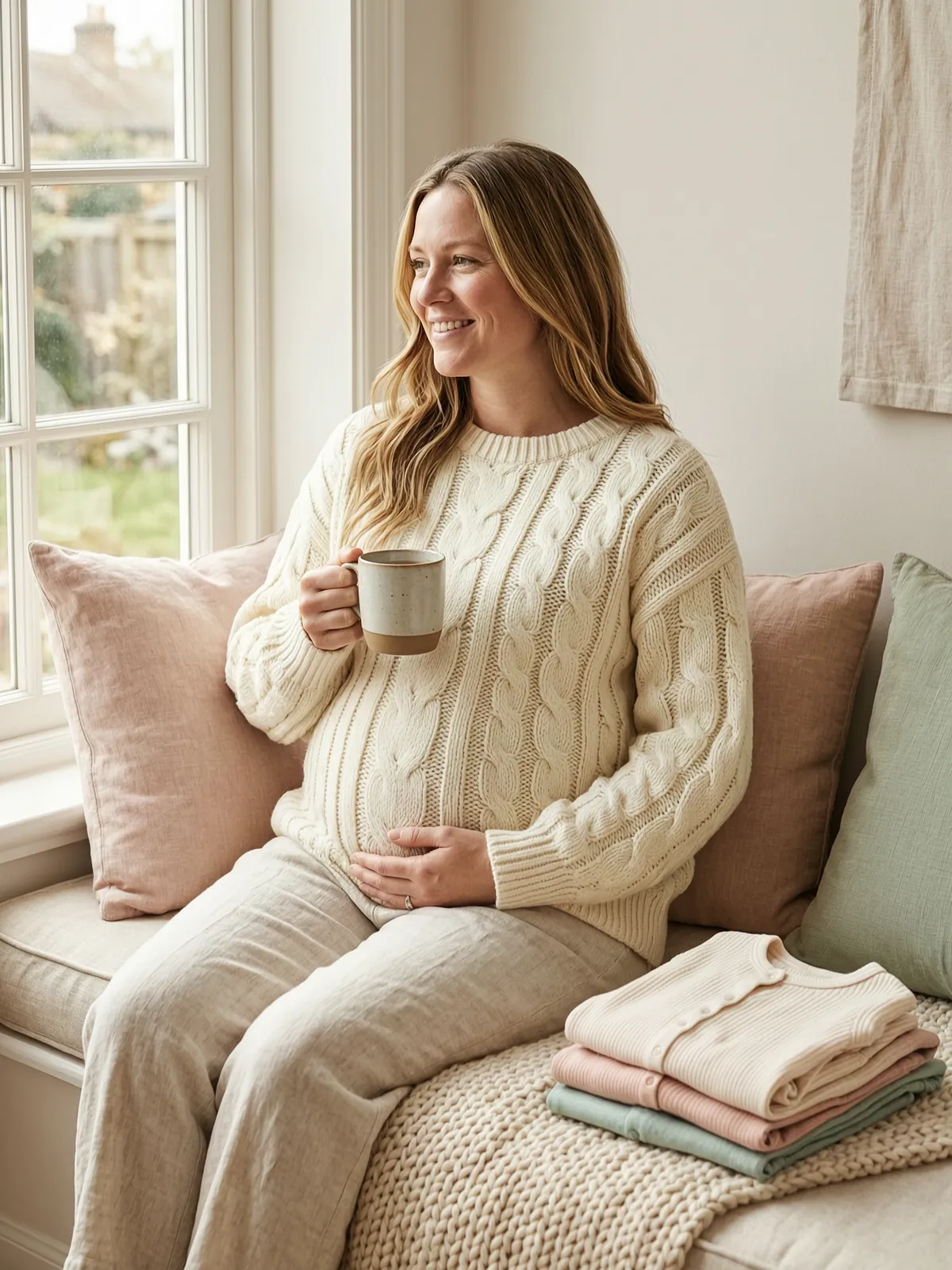
Four ideas to make tonight
Copy a description, paste it into Picwurt and change any detail you like: the chair, the colors, the light, the mother.
Heirloom paintingA new Madonna
An oil painting in the style of the Italian Renaissance: a young mother in a simple blue dress and cream shawl sits by an arched window with distant hills, holding her sleeping swaddled newborn and gazing down at the baby. Soft sfumato light, warm umber and ultramarine, visible brushwork.
Maternity portraitGolden hour, cane chair
A fine-art maternity portrait of a pregnant woman in a long cream linen dress, seated in a rattan peacock chair beside sheer curtains, both hands resting on her belly, eyes closed with a calm smile. Dried pampas grass, wooden floorboards, golden late-afternoon light, soft film grain.
Still lifeThe nursing corner
A bright, airy nursing corner with no people: a cream glider rocking chair with a blush cushion and a chunky knit blanket, sheer linen curtains in morning sun, a mug of tea and dried flowers on a small oak table, a basket of folded muslin cloths.
Card designA birth announcement
An elegant birth announcement card design on textured ivory paper, framed by pressed wildflowers and a delicate watercolor sprig of olive leaves, with a blank space in the middle for a name and date. Soft sage, blush and gold tones, flat lay, natural light.
- Open Wurt and sign in, or create a free account.
- Choose Picwurt and paste the description.
- Change any detail, check the credit cost, then create.
- Save the version you love, or animate it in Vidwurt.
Questions mothers ask
What is breastfeeding photography?
Breastfeeding photography is portrait and documentary photography of the nursing years: a mother feeding, holding or resting with her baby, along with the chair, the light and the small details of those months. It can be a planned session with a photographer or simple photos taken at home.
When is the best time for a breastfeeding photoshoot?
Many families choose the first weeks for a newborn feel, or any time feeding has settled into a rhythm. Plan the session around feeds rather than the clock, and choose a time of day with soft window light, usually mid-morning or late afternoon.
What should I wear for a breastfeeding photoshoot?
Choose what is comfortable and easy to nurse in: a button-front dress, a loose top or a soft wrap, in neutral or earthy colors without busy patterns. A shawl, scarf or muslin cloth over the shoulder adds texture and lets you choose how covered you feel.
When should I book a maternity photoshoot?
Many photographers suggest the third trimester, around 30 to 36 weeks, when the bump is round but you are still comfortable moving and posing. Mothers expecting twins often book a little earlier. Ask your photographer about pairing it with a newborn or breastfeeding session.
Can I take beautiful breastfeeding photos with my phone?
Yes. Sit near a window with the light falling across you from the side, turn off the flash, and ask someone to step back so the chair and room are in the frame. Take a few close details too, such as hands and a shawl. Keep the original files and back them up.
How can AI help with maternity and breastfeeding photos?
AI tools can brighten and warm a dim phone portrait of yourself, tidy a cluttered background, turn a portrait into a painted keepsake, design announcements and thank-you cards, and help photographers plan sets and mood boards. AI changes pixels, so always compare the result with the original before you save or share it.
Can AI turn my maternity photo into a painting?
Yes. In Picwurt you can start from a portrait of yourself and describe the look you want, such as an oil painting with soft Renaissance light or a loose watercolor. You can also create an original painting from a written description without uploading anything.
When is World Breastfeeding Week?
World Breastfeeding Week is held every year from 1 to 7 August and is coordinated by the World Alliance for Breastfeeding Action. In the United States, August is also National Breastfeeding Month.
Is Wurt free to try?
Wurt is free to start with credits. Creating pictures and videos uses credits, and the current costs are shown in the app before you create anything. You can buy more credits if you want them; there is no subscription.
Make something for her
A painting for the nursery, a portrait for the grandmother, a card for the midwife. Start free in your browser; there is nothing to install.